For anyone moving Bitcoin between wallets, privacy is no longer a side concern. Every transaction sits on a public ledger forever, and chain analysis firms have become remarkably good at linking addresses to identities. That is the gap Bitcoin mixers try to close. This page is a plain review of how the best Bitcoin mixers actually work in 2026, what separates a serious service from a scam, and what to check before sending a single satoshi.

01 · Mechanics
What a BTC mixer actually does
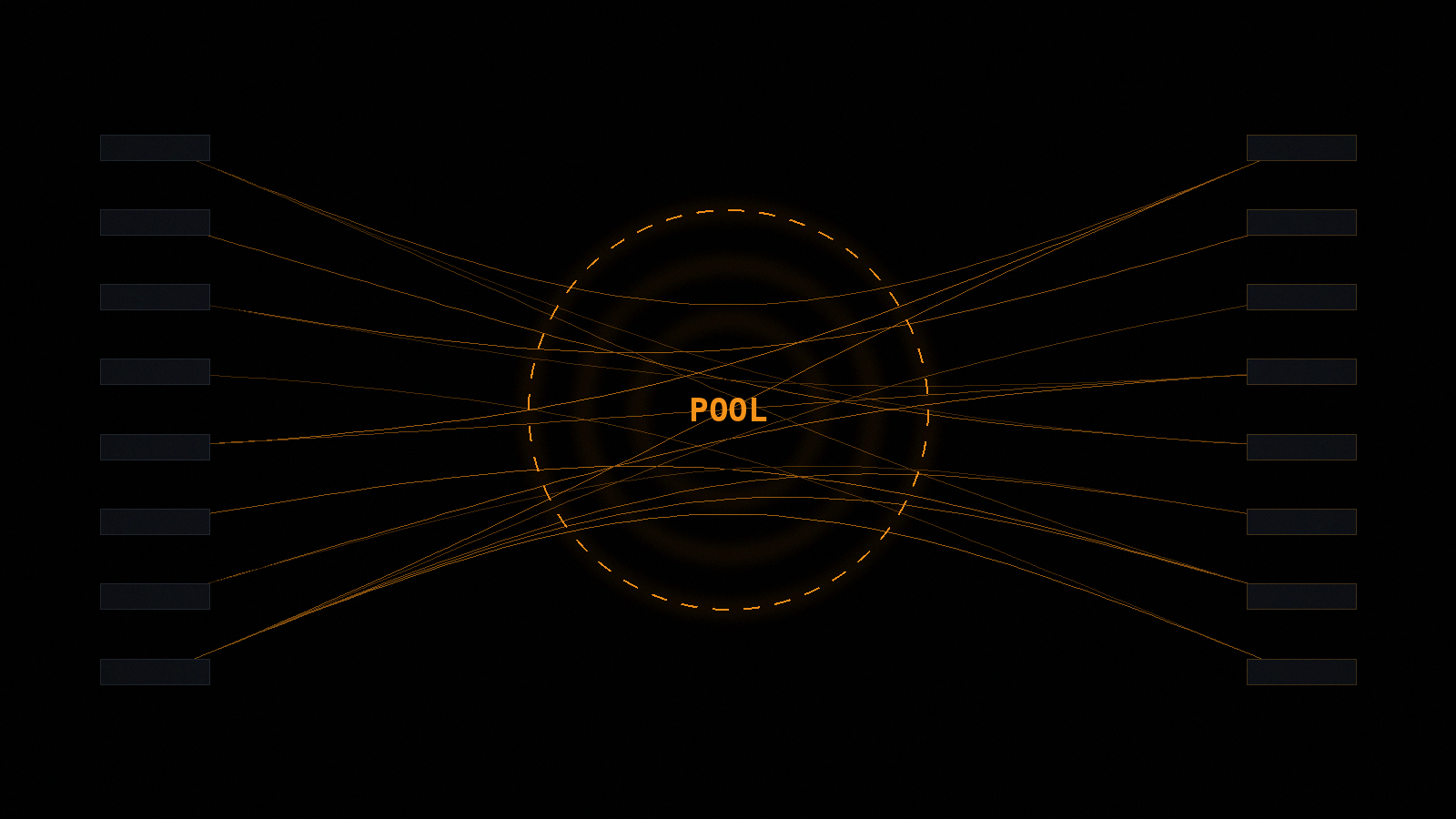
A BTC mixer (also called a tumbler) pools incoming coins from many users, breaks the on-chain link, and sends fresh coins back to addresses you control. The idea is simple, but the execution varies wildly. Some run on centralized servers and ask you to trust the operator. Others use CoinJoin or similar collaborative protocols where no single party ever holds your funds. Both models exist on the market and both have trade-offs worth understanding.
02 · Criteria
What makes a top Bitcoin mixer
There are three important points that must be considered when choosing a mixer.
A real no-logs policy
Not a promise on a landing page — a technical reason logs cannot exist. PGP-signed letters of guarantee are a good sign. Vague reassurance is not.
A healthy liquidity pool
A thin pool gives chain analysts an easy time. If the pool is smaller than the amount you want to mix, you are not blending in — you are highlighted.
Randomized fee structure
Flat fees fingerprint a transaction. The best BTC mixers use a randomized component on top of a base fee, and explain how it is calculated.
03 · Timing
Speed is overrated
The best BTC mixers introduce deliberate time delays between deposit and payout, and let you set that delay yourself. If a tumbler returns your coins in two minutes, you have not mixed anything — you have just paid a fee to move money in a straight line.
Multi-address payouts, configurable delays, and the option to split the output across several wallets are basic features any serious service should offer. Treat anything less as a red flag.
- ✓ Configurable delay window
- ✓ Multi-address output
- ✓ Per-address percentage split
- ✓ Custom transaction fee tier
- ✕ "Instant mix" buttons
- ✕ Forced minimums above pool size
04 · Economics
What a fair fee looks like
Fees on reputable mixers usually land between 0.5% and 3%, plus a small network fee. Anything dramatically cheaper is either subsidized by exit scams or running a pool too small to matter. Anything much higher is either premium privacy infrastructure or simply overcharging. Read the fine print, and if a service refuses to publish its fee logic, walk away.
05 · Red flags
Two warnings worth taking seriously
Always verify the address
Mixer clearnet domains get cloned constantly. Cross-check the onion address from at least two independent sources before depositing. A typo or a phishing mirror is the most common way people lose funds — not chain analysis.
Never exceed the pool
A 10 BTC deposit into a 5 BTC pool is not mixed, it is highlighted. The math is unforgiving here. If you cannot see the current pool depth, assume it is too small for the amount you have in mind.
06 · Discipline
Privacy is a habit, not a transaction
The best bitcoin mixer in the world will not help if you immediately consolidate the output back into a KYC exchange wallet. Treat mixed coins as a clean restart — new wallet, new spending pattern, no overlap with the inputs. Operational hygiene matters more than the brand on the front page of the tumbler you chose.
If you came here looking for a single name at the top of a list, this review will disappoint you on purpose. The mixer landscape changes every quarter. Operators disappear, new ones launch, and yesterday's top BTC mixer can be tomorrow's takedown notice. Verify everything yourself, and move slowly. That is the only review advice that ages well.
07 · FAQ
Quick answers
What is a Bitcoin mixer?
A pooling service — also called a tumbler — that takes coins from many users and returns fresh coins to addresses you control, breaking the public link between inputs and outputs.
Are BTC mixers legal?
Depends on jurisdiction and on how the service is used. Privacy itself is not illegal, but several mixers have been sanctioned or shut down. Check local rules before using one.
How long does mixing take?
Reputable mixers use deliberate delays, often configurable from a few hours to a couple of days. Near-instant payouts defeat the purpose of mixing in the first place.
Can a mixer guarantee anonymity?
No service can. A good mixer raises the cost of deanonymization; your own habits do the rest. Reusing wallets, consolidating into KYC venues, or rushing payouts can undo the mix entirely.